
Learning methods, processes, and facilities are continuously developed to produce high-quality graduates capable of contributing to the progress of the nation.
Studying at the Department of Anthropology, FISIP UI, broadens cultural horizons, trains critical analysis, and opens cross-sector career opportunities such as research, community development, public policy, international organizations, and more.

Education
With experienced faculty and a relevant curriculum, you will build a strong scientific foundation, understand cultural dynamics, and hone research and analytical skills for various strategic fields.

Courses
Anthropology students study humans and culture through field research and critical analysis. Topics include cultural dynamics, identity, social change, and global interactions.

Career Prospects
Graduates of Anthropology FISIP UI are equipped with research and cultural analysis skills, ready for careers in research, community development, public policy, international organizations, and the creative sector.


The 9th International Symposium of Jurnal Antropologi Indonesia
Pluriversal Futures in a Multipolarising World: Global South Perspectives
News and Events
Renewable Energy Transition in Southeast Asia: Regional Policy and Local Realities (REAL-SEA) 2026 Short Course
Renewable Energy Transition in Southeast Asia: Regional Policy and Local Realities (REAL-SEA) 2026 Short Course
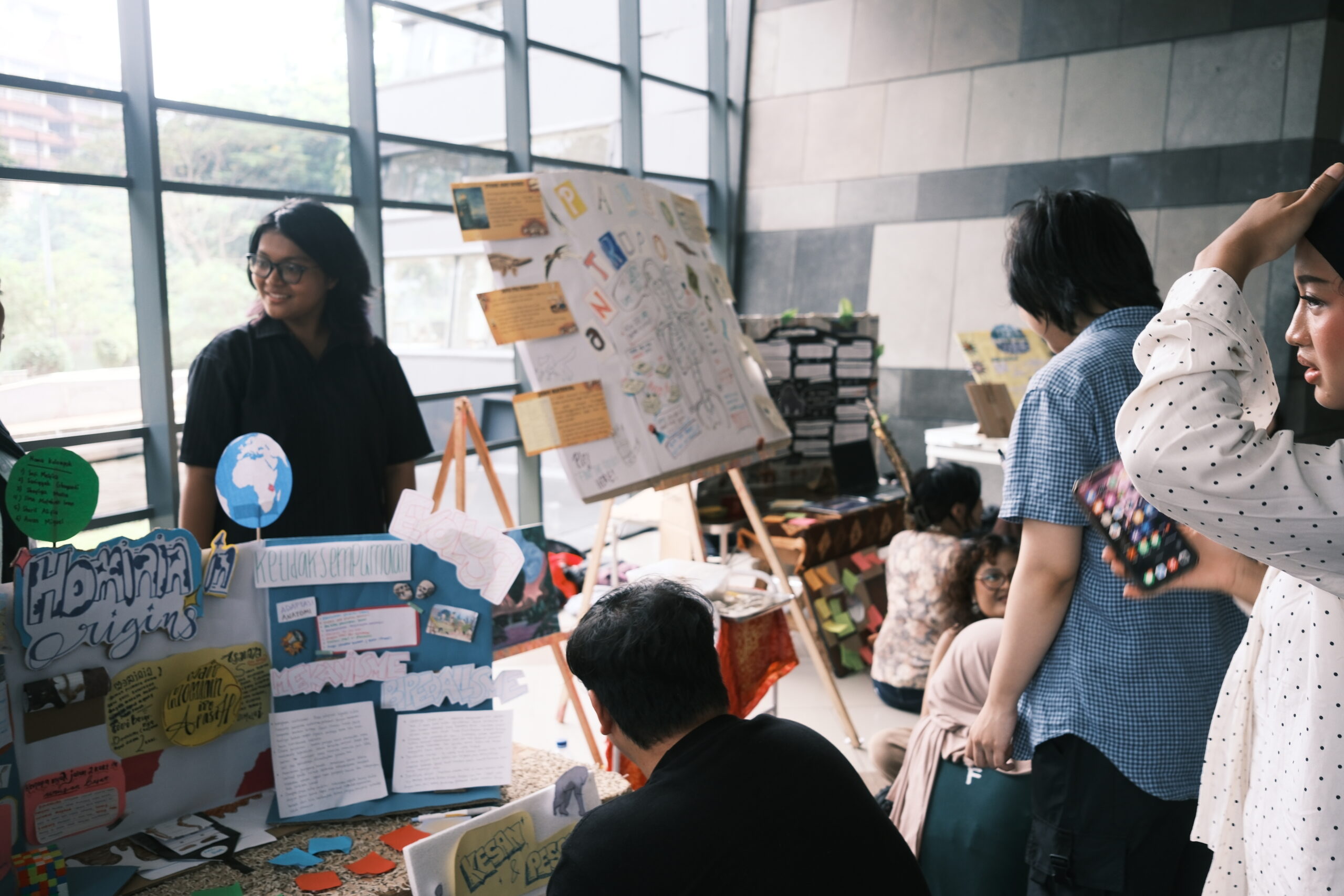
FISIP UI Anthropology Students Turn Central Library into a Biocultural Exploration Space
FISIP UI Anthropology Students Turn Central Library into a Biocultural Exploration Space
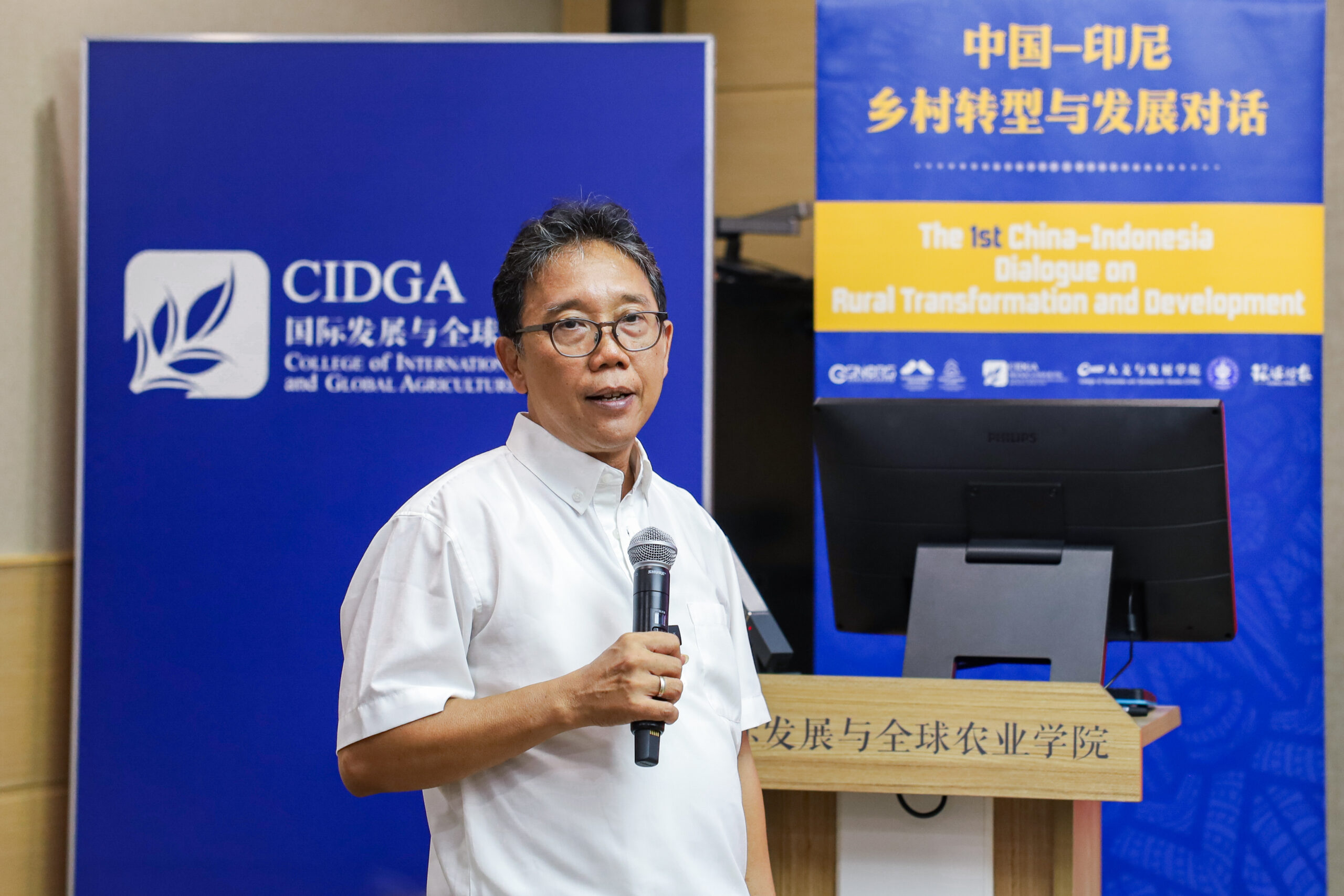
UI Anthropology Professor Delivers Keynote Address at International Dialogue in Beijing
UI Anthropology Professor Delivers Keynote Address at International Dialogue in Beijing
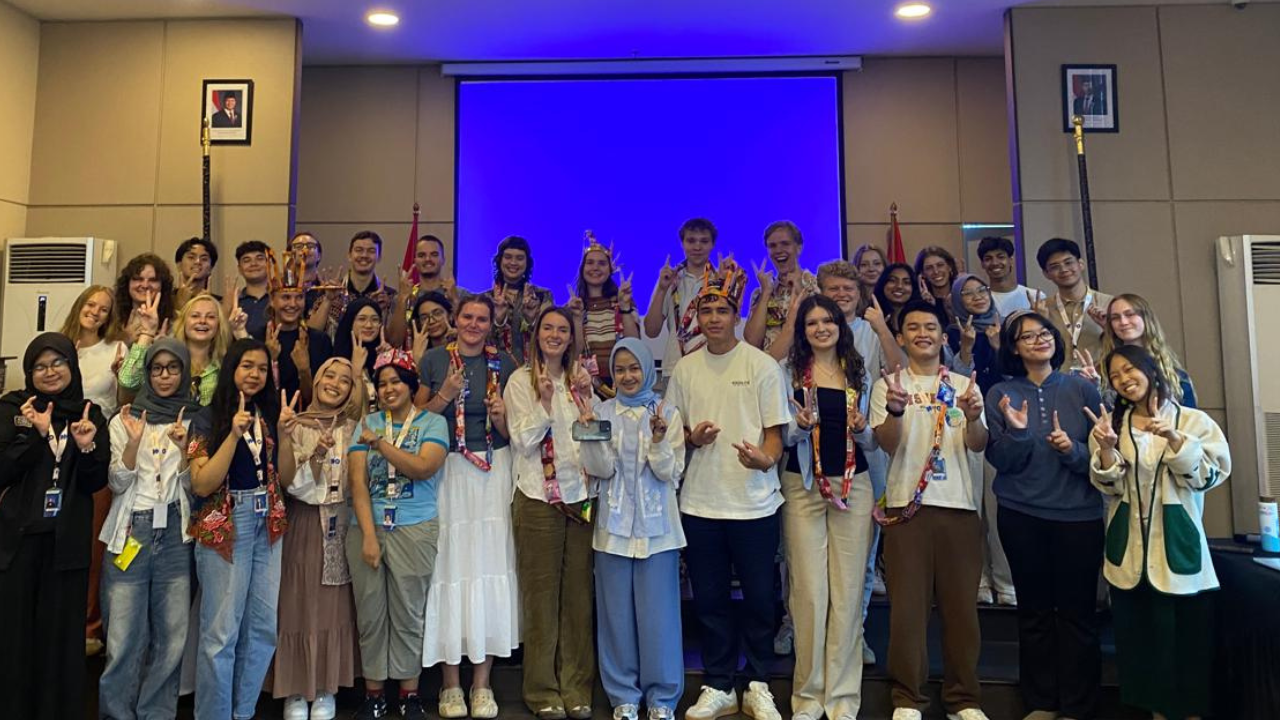
Joint Minor Program FISIP UI x Leiden-Delft-Erasmus (LDE) Alliance: Future Challenges Lab: Co-Creating Sustainable Practices in and Beyond the Indonesian City
Joint Minor Program FISIP UI x Leiden-Delft-Erasmus (LDE) Alliance: Future Challenges Lab: Co-Creating Sustainable Practices in and Beyond the Indonesian City

REAL-SEA Short Course – Renewable Energy Transition in Southeast Asia: Regional Policy and Local Realities
REAL-SEA Short Course – Renewable Energy Transition in Southeast Asia: Regional Policy and Local Realities

Toeti Heraty Fellowship 2027: Master’s Scholarship in Museum Studies
Toeti Heraty Fellowship 2027: Master’s Scholarship in Museum Studies

Activities
Student life in Anthropology UI combines theory, practical skills, and socio-cultural sensitivity to shape critical, collaborative, and inclusive graduates.

Facilities
Discover the learning support facilities available within the Department of Anthropology FISIP UI to support the student’s study process.

LAB
The following are programs and research clusters to deepen the understanding of anthropology:
Anthropology Journal
Antropologi Indonesia is a scientific journal that publishes original research articles or new theoretical positions related to anthropology, Indonesian studies, and socio-cultural issues. Articles are selected through a peer-review process. Themes include: ethnographic findings/qualitative research, applied or collaborative research on socio-political-cultural issues, current theoretical-methodological-ethical discussions, and critical reviews of anthropological literature from the last 3 years.